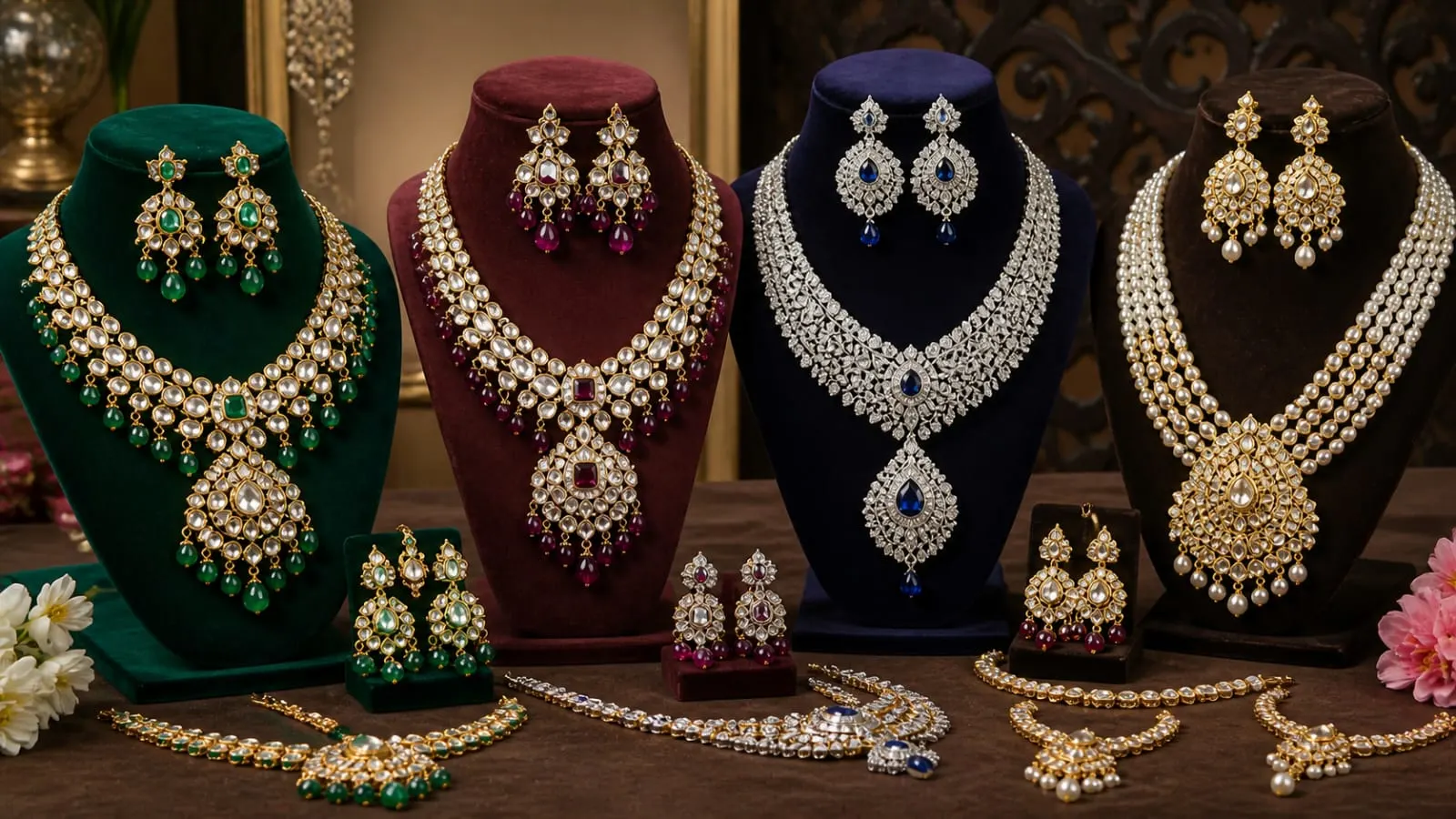
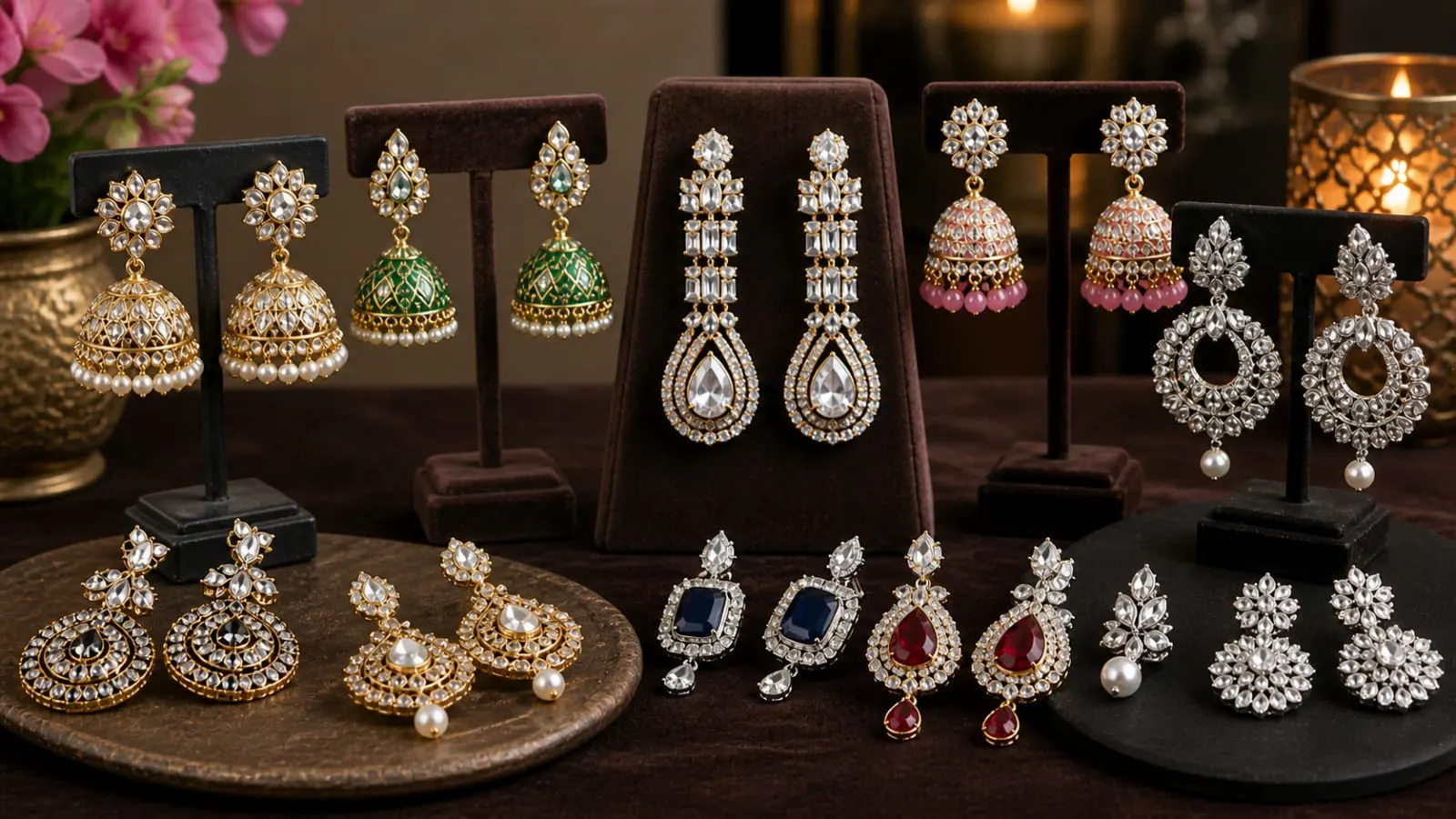
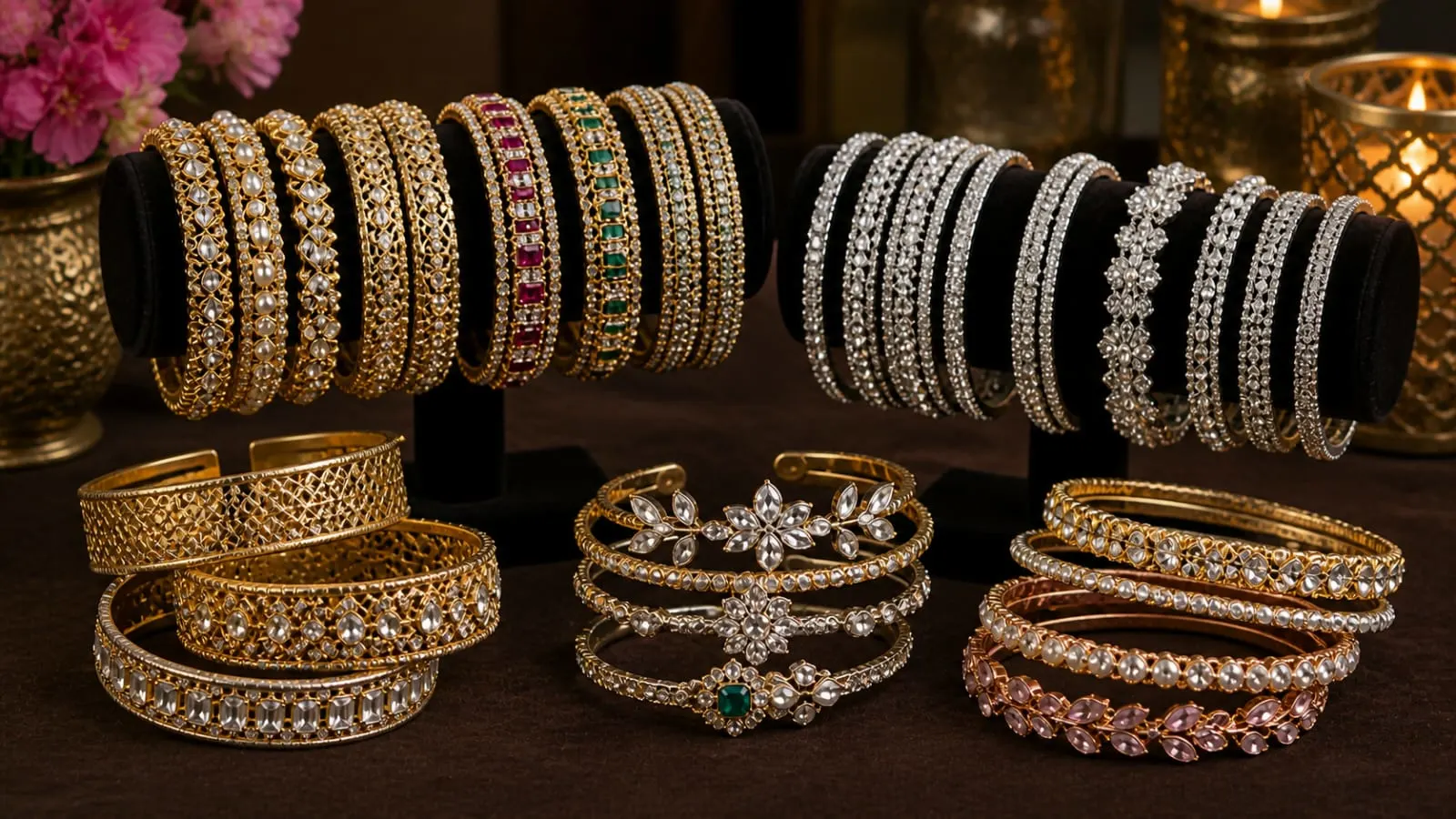
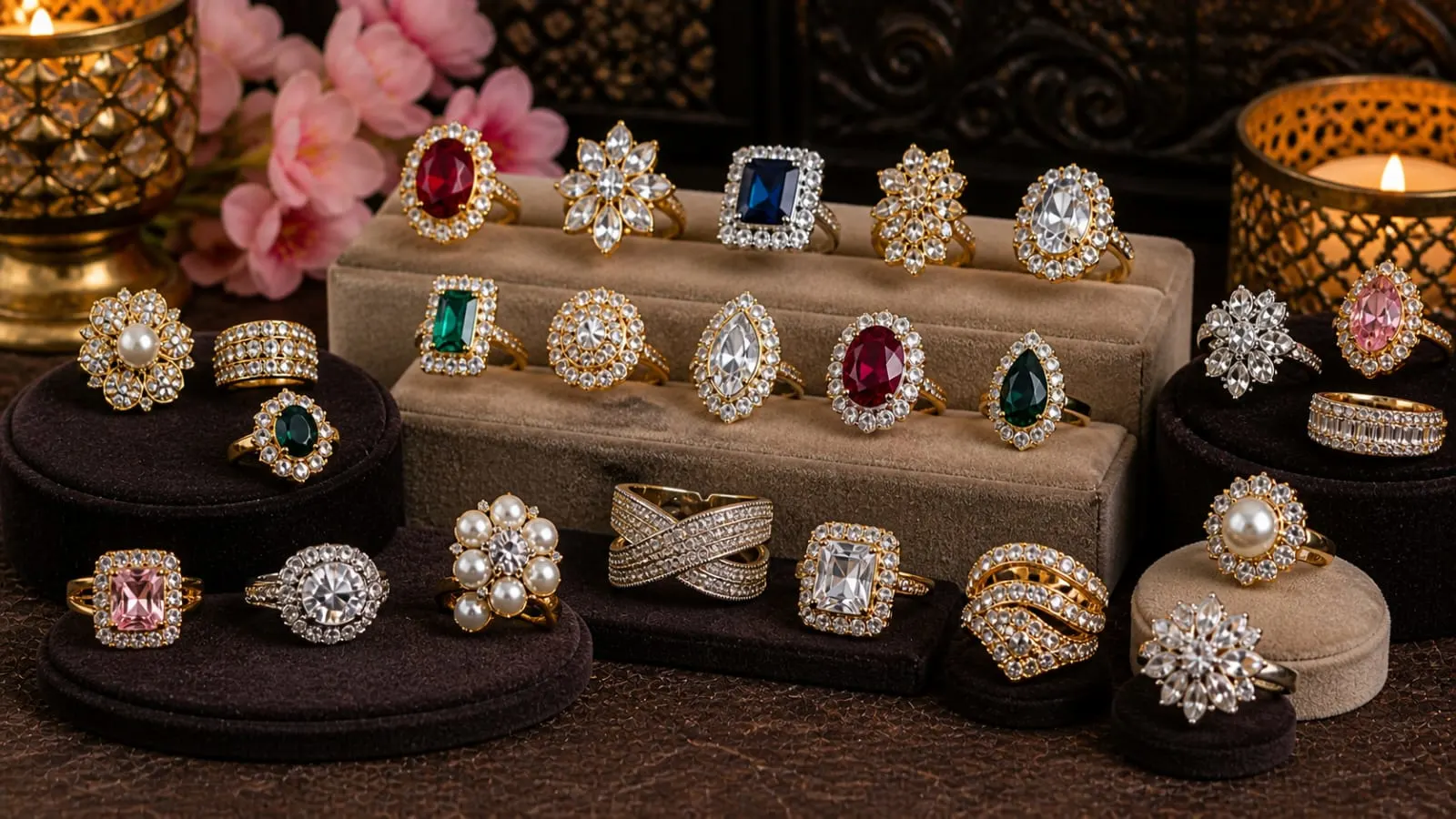
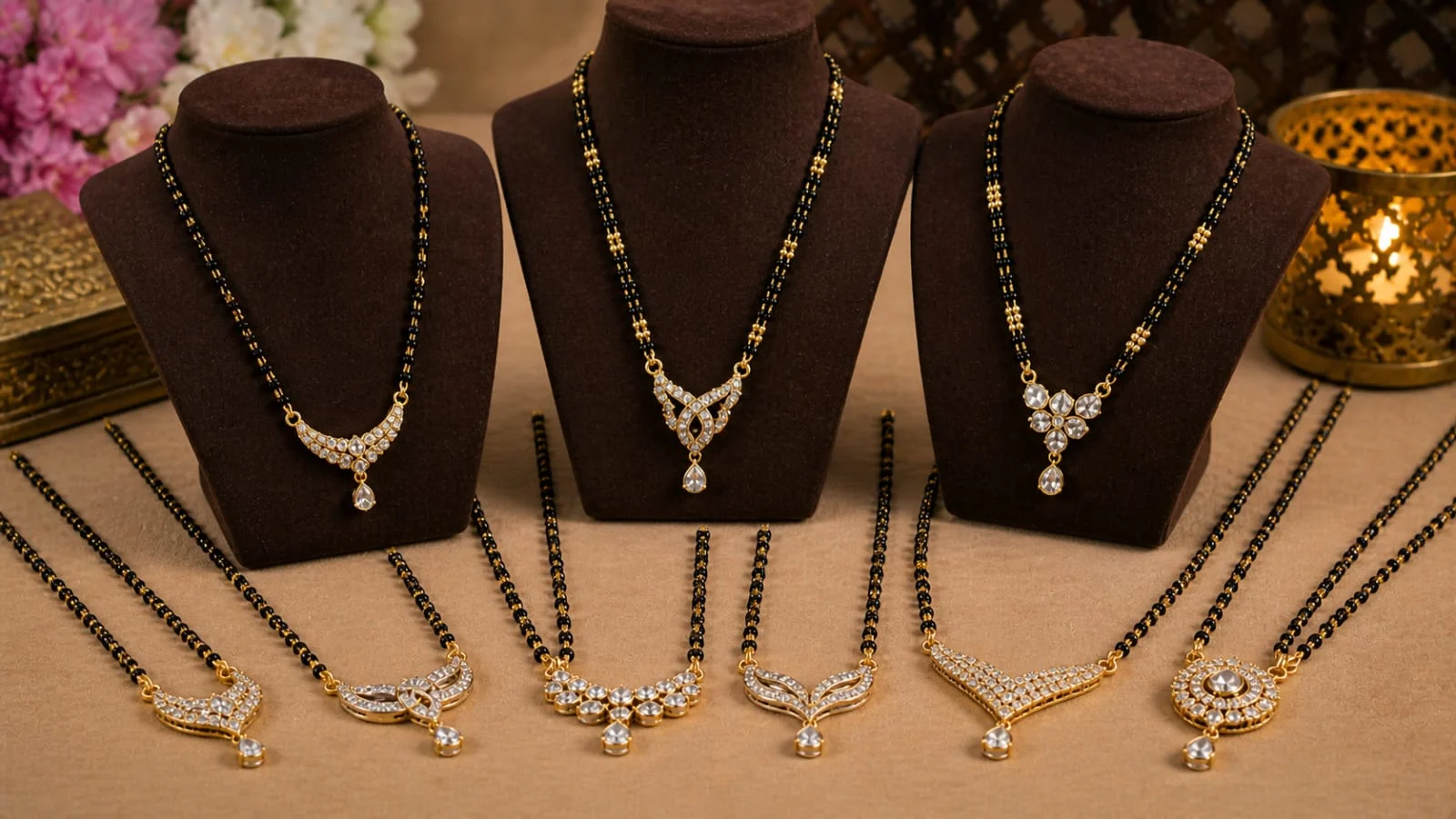
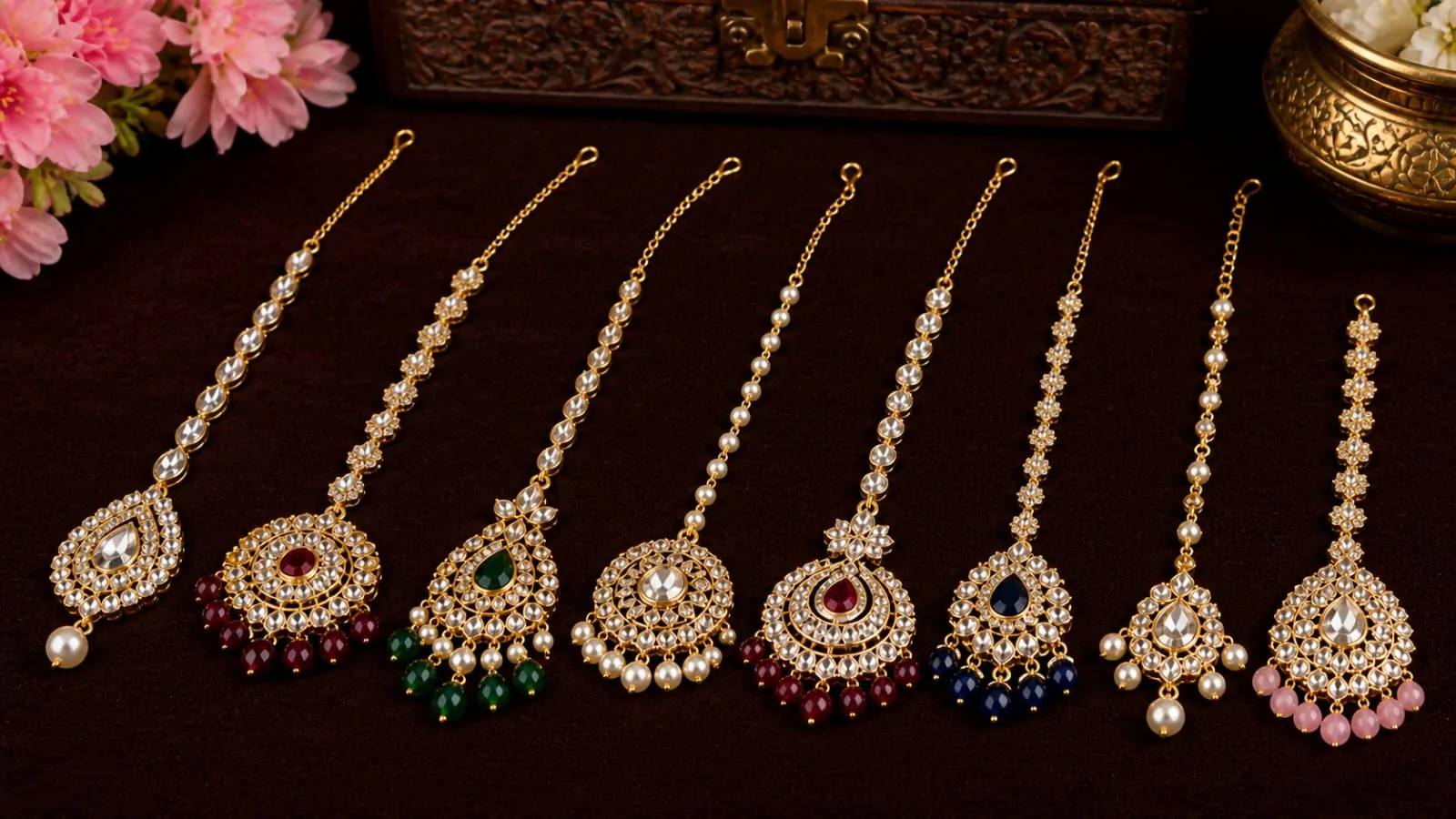
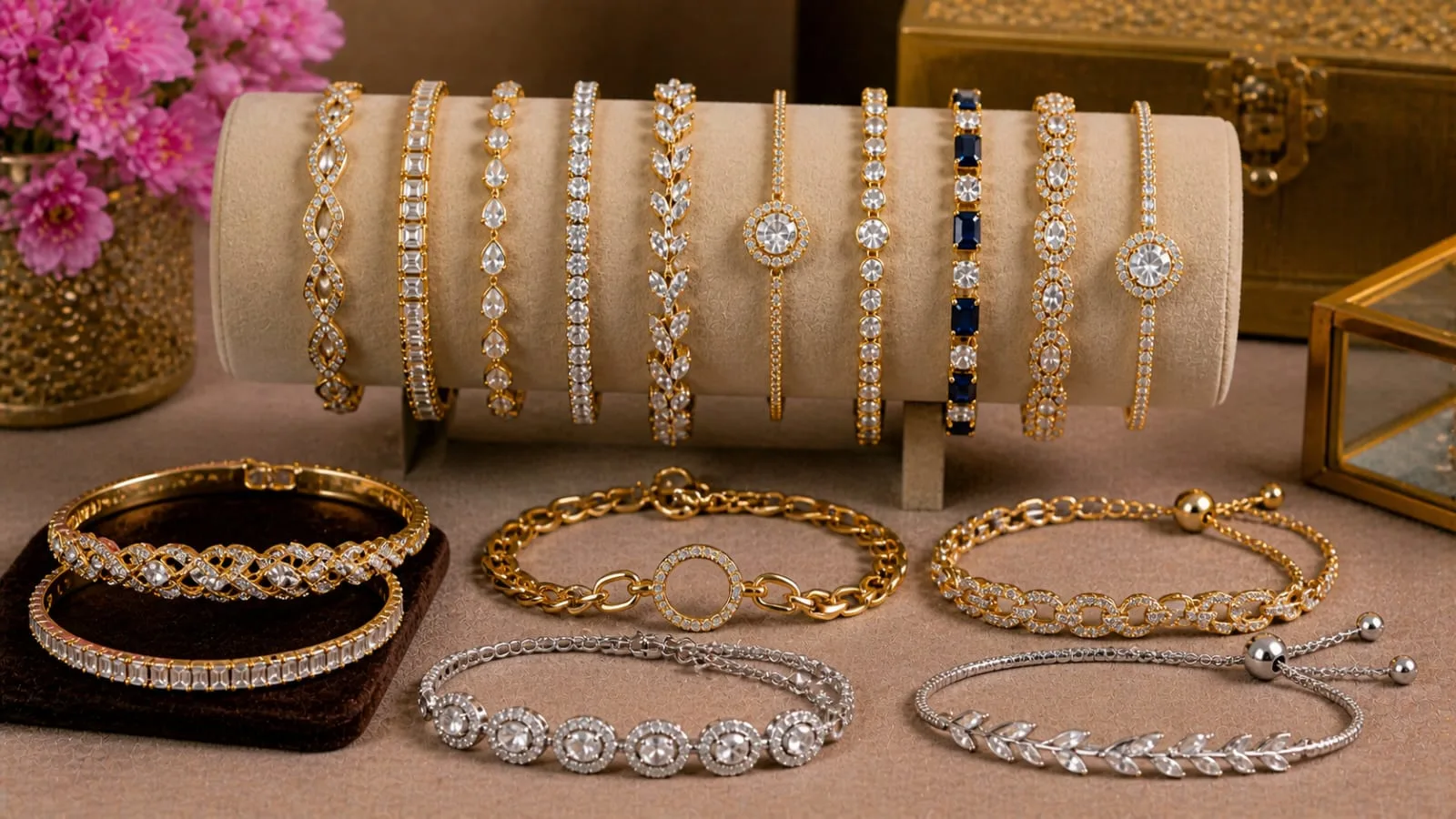
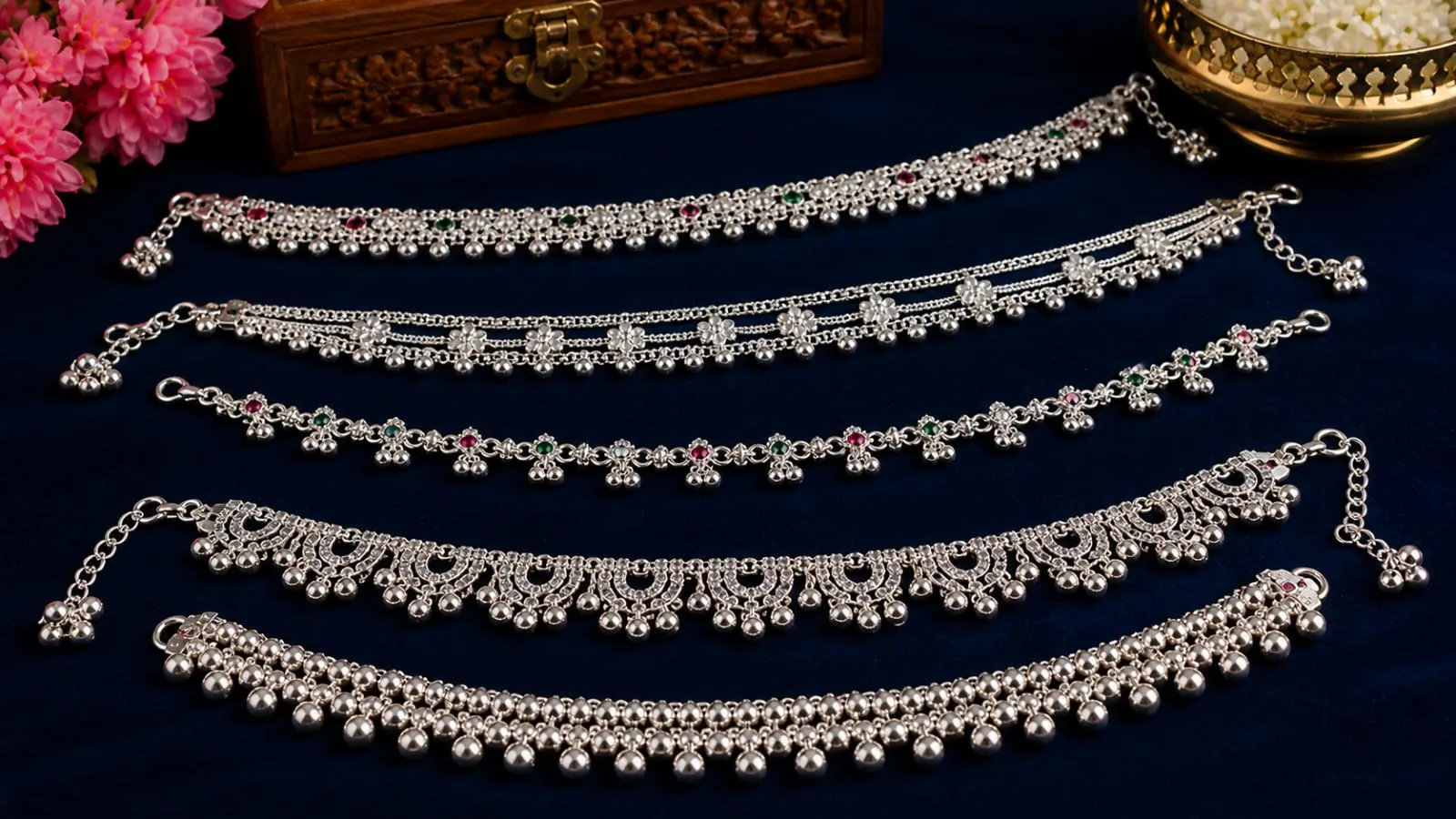
Trade Horizon Products: Imitation Jewellery for Real Market Demand
There is a simple reason imitation jewellery keeps moving in global markets. People wear it more often. They replace it more often. And they do not overthink the purchase.
That alone changes how this category works.
At Trade Horizon, the work around imitation jewellery export from India is not built around showcasing designs. It is built around figuring out what actually continues to sell after the first order. Because that is where most export attempts fail. The first shipment goes out. The second never happens.
Based out of India, we work with manufacturers who are already producing for volume, not just samples. There is a difference. Samples can look perfect. Bulk rarely does unless the process is controlled properly.
What Usually Gets Missed in Artificial Jewellery?
A lot of people entering this space assume it is design driven. It is, but only up to a point.
Artificial jewellery export from India works when three things hold together. Finish, repeatability, and basic durability. If one of these slips, the product may still look good in photos but will not survive actual trade.
You will find many designs in the market that cannot be reproduced properly. Slight colour changes. Stone placement differences. Uneven polish. These are small issues, but they add up quickly.
So instead of chasing variety, we stay closer to what can be repeated without confusion.
The Reality of What Sells
Not everything that looks premium moves fast. In fact, many simpler designs move more consistently.
In export of artificial jewellery from India, products that are easy to wear tend to perform better over time. Lightweight earrings. Basic necklace sets. Simple bangles. These are not flashy, but they keep getting reordered.
That is the kind of movement we pay attention to.
There is no fixed catalogue thinking here. If something slows down, it is replaced. If something repeats, it stays.
Design Changes Are Constant
Trends do not wait for production cycles.
One month a particular style works. Two months later, demand shifts. This is normal in imitation jewellery export from India.
Trying to follow every trend creates instability. Production struggles to keep up, and buyers end up with mixed results.
So the approach is slightly different. Stay close to designs that have some stability. Not too basic, not too trend dependent.
That middle ground usually performs better.
Small Issues Cause Bigger Problems
Most export disruptions do not come from major mistakes. They come from small oversights.
A clasp that breaks easily. A chain that tangles. Plating that fades faster than expected. None of these seem serious at first, but they affect repeat orders.
Artificial jewellery export from India requires paying attention to these small details before shipment, not after complaints come in.
Once the goods reach the buyer, fixing things becomes difficult.
Markets Do Not Behave the Same Way
One common mistake is assuming that the same product will work everywhere.
It does not.
Some markets prefer subtle designs. Others want something more noticeable. Price points also vary a lot.
Export of artificial jewellery from India becomes easier when these differences are accepted early instead of corrected later.
So shipments are usually aligned with the destination rather than standardised across all buyers.
Repeat Orders Are the Real Indicator
Anyone can complete a first shipment.
What matters is whether the buyer comes back.
In imitation jewellery export from India, repeat orders depend less on design variety and more on how smoothly the previous order went. Timing, condition, and consistency matter more than presentation.
If those are handled well, business continues. If not, it stops quietly.
Packaging Is Often Underestimated
Jewellery is small, but it is not easy to handle in bulk.
Chains overlap. Stones loosen. Finishes get scratched.
Artificial jewellery export from India needs packaging that prevents these basic issues. Not fancy packaging. Just effective separation and protection.
Ignoring this step usually leads to avoidable losses.
Where Trade Horizon Fits In?
Trade Horizon operates somewhere in between. Not as a display platform, and not as a factory.
The role is mostly coordination.
Working within export of artificial jewellery from India means keeping things aligned. Quantities, specifications, timelines. Making sure what was discussed is what actually gets shipped.
There is no advantage in overcomplicating this process. The simpler it stays, the easier it is to repeat.
Adjustments That Make a Difference
Sometimes products need small changes before they are ready for export.
Better plating. Slight finishing improvement. Cleaner packing.
These are not major modifications, but they affect how the product performs after delivery.
Artificial jewellery export from India often depends on these small corrections more than large design changes.
Current Movement in the Category
The demand for imitation jewellery is steady. It does not spike unpredictably, but it does not drop off either.
Export of artificial jewellery from India continues because it fits into everyday buying behaviour. People use it, replace it, and look for new options regularly.
Trade Horizon works within that cycle without trying to stretch it artificially.
The focus remains simple. Keep products consistent. Keep shipments manageable. Keep expectations clear.
That is what allows imitation jewellery export from India to continue without unnecessary friction and build into long term trade instead of one time transactions.